

“Is South Korea really approaching the brink of disappearance?”
In recent years, South Korea, one of Asia’s leading developed economies, has been facing a worrying paradox. The more modern it becomes, the fewer children people are having. A record low birth rate has led many experts to warn that the country could become one of the first in the world to enter an irreversible phase of population decline.
The numbers do not lie. South Korea’s fertility rate has dropped to around 0.7 children per woman, the lowest in the world. This means each new generation is only about half the size of the previous one. If this trend continues, the population will decline sharply in the coming decades, bringing a wide range of consequences for the economy, society, and national security.
South Korea: the first country at risk of disappearing in the world (David Sidney Taylor)
“No need to invade, just walk in”
One controversial view suggests that with the current pace of population decline, South Korea could become strategically vulnerable. Some extreme opinions even argue that no war is needed; over time, demographic decline alone could be enough to weaken a nation.
Although this is a sensational way of framing the issue, it reflects a real concern. The workforce is shrinking, welfare costs are rising, and the pressure to sustain economic growth is becoming enormous.
Technology and AI, a lifeline or a double-edged sword
In response, South Korea is making major investments in technology, especially artificial intelligence, to compensate for labor shortages. From manufacturing to services, AI is expected to help maintain productivity and reduce dependence on human labor.
However, the question remains whether technology can fully replace people, or whether it merely delays a demographic problem that will eventually become unmanageable.
Social pressure, the root of the problem
The deeper causes are not purely economic but also cultural and social. Young people in South Korea face high living costs, intense work pressure, and heavy social expectations. Marriage and having children are increasingly seen as luxuries rather than natural life choices.
Many young people choose to remain single, focus on their careers, or simply avoid repeating the cycle of stress they have experienced.
What future awaits South Korea
Despite these concerns, saying South Korea will disappear is an exaggeration. The country still has a strong economic foundation, advanced technology, and high adaptability. The government is also implementing various pro-natal policies and financial support measures.
However, this is a long-term struggle. It requires not only financial incentives but also a fundamental change in how society functions.
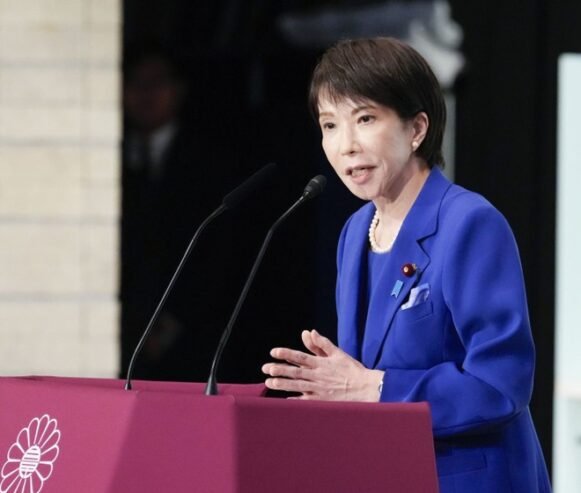
Sanae Takaichi Shakes Japan on Her First Day in Office with Bold Political, Economic, and Diplomatic Reforms
On her very first day in office, Sanae Takaichi, the newly appointed leader of one [...]
Th9

Ngày mới với tin tức sức khỏe: Cách uống cà phê giúp người lớn tuổi minh mẫn
‘Một nghiên cứu mới vừa được công bố đã phát hiện thêm một tác dụng [...]
Th8

Xổ số miền Nam ngày 1 tháng 8: Khách trúng 4 tờ, nhờ hàng xóm đổi thưởng
Ngay sau khi có kết quả xổ số miền Nam ngày 1 tháng 8, người [...]
Th8

Chiến sĩ công an trình diễn đu dây, trấn áp tội phạm
Người dân phấn khích hò reo khi chiêm ngưỡng trình diễn nghiệp vụ, diễu hành [...]
Th8
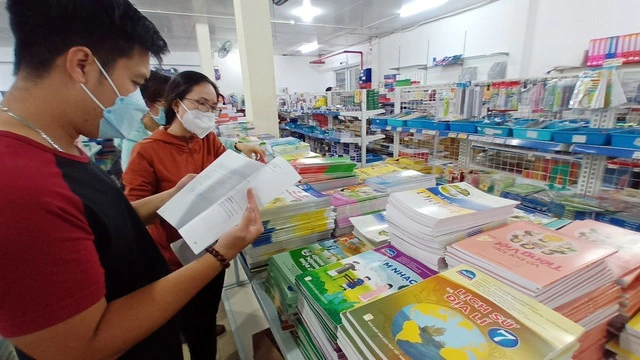
Sửa sách giáo khoa sau sáp nhập tỉnh ra sao?
Cử tri đề nghị Bộ GD-ĐT hướng dẫn điều chỉnh nội dung một số môn [...]
Th7
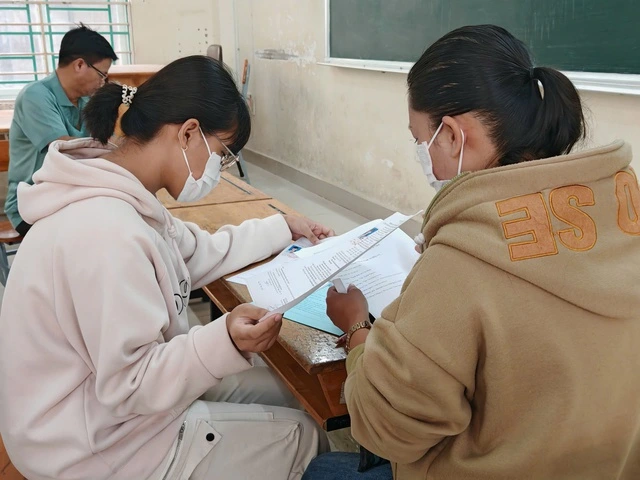
Tuyển bổ sung lớp 10 TP.HCM: 37 trường công lập xét bằng điểm chuẩn nguyện vọng 1
Sở GD-ĐT TP.HCM vừa công bố tuyển sinh bổ sung lớp 10 năm học 2025-2026 [...]
Th7

Ngày mới với tin tức sức khỏe: 4 dấu hiệu ung thư mắt dễ bị nhầm
4 dấu hiệu ung thư mắt dễ nhầm với bệnh mắt thông thường là một [...]
Th7

Khánh thành nhà máy sản xuất chất bán dẫn của Mỹ tại Nhơn Trạch
Phó thủ tướng Nguyễn Chí Dũng đánh giá, việc khánh thành nhà máy sản xuất [...]
Th7
